Food vocabulary often carries more meaning than a simple translation can show. Cicoria radice is a strong example because searches around the term move between roots, leaves, cultivated forms, wild plants, roasted products, soluble drinks, and restaurant dining. Understanding those categories makes the subject easier to approach and helps diners separate culinary interest from health questions.
One frequently used phrase is “la cicoria fa bene al fegato“. It deserves careful treatment. A search phrase can express curiosity, but it cannot provide a personal diagnosis, guarantee a benefit, or replace qualified medical guidance. This article, therefore, keeps its focus on food language, product distinctions, responsible interpretation, and the dining context connected with Pizzeria Ristorante Marcantonio.
Pizzeria Ristorante Marcantonio is a restaurant at Borgo Pio, 146, 00193 Roma RM, Italy. Its stated service is food, and its website supports the requested Order Online action. Those confirmed details provide a clear basis for presenting the business without adding unverified menu items, ingredients, recipes, prices, opening hours, or delivery promises.
Why Cicoria Radice Attracts So Many Different Searches
The phrase sits at the center of several related ideas. Some people use it while reading about a pianta di cicoria. Others encounter references to a roasted ingredient, a soluble preparation, a moka-style product, or a leafy culinary category. The same broad topic can therefore appear in a garden, packaged product, beverage, or restaurant context.
That range explains why precision matters. Cicoria radice points attention toward the root, while other expressions may highlight leaves, flowers, seeds, young plants, processing methods, or regional names. Treating every expression as interchangeable would blur useful distinctions. A professional food guide should keep those meanings organized without turning them into unsupported claims.
The phrase la cicoria fa bene al fegato introduces another category: health intent. It may look like a simple statement, yet a reader may ask whether a specific food suits a personal condition. Responsible content should recognize the question, avoid promising outcomes, and encourage professional medical advice whenever individual health circumstances matter.
Root, Leaf, Plant, and Product Are Not the Same
Good culinary communication begins with form. A root-focused term does not automatically describe the same ingredient experience as a leafy preparation. Likewise, a growing plant does not equal a packaged roasted product, and a soluble drink does not equal a fresh vegetable dish. Context tells readers which meaning is relevant.
The search expressions piantine cicoria, semi di cicoria selvatica, and fiori cicoria selvatica belong naturally to a plant-centered vocabulary. Young plants, seeds, and flowers describe different stages or parts. They can add botanical context, but they do not confirm that any specific restaurant currently serves a particular chicory item.
That distinction protects accuracy for Pizzeria Ristorante Marcantonio. The supplied information identifies the business, its category, location, website, and food service. It does not provide a current menu. The article can discuss terminology while remaining honest about what has and has not been confirmed.
A Practical Vocabulary for Roasted and Soluble Chicory
Processing words helps clarify how a consumer may encounter chicory. Cicoria tostata names a roasted form, while cicoria tostata solubile points toward a roasted product designed to dissolve. Caffè cicoria solubile combines the ideas of a coffee-style beverage and solubility. These terms signal format and intended use more clearly than the general word alone.
Format affects preparation. A soluble product and a ground product may require different quantities, water temperatures, or brewing methods. Packaging instructions remain the proper authority for any specific item. General culinary wording should never overrule the label, especially when the article has not been given a product name, ingredient list, or preparation directions.
The same care applies when readers ask, “La cicoria fa bene al fegato?” after seeing a roasted or soluble package. The wording on a product does not establish a medical result. Preparation style, portion, formulation, personal health, and other dietary factors can all change the practical context, so personal advice belongs with a qualified professional.
Understanding Cicoria Moka and Cicoria Per Moka
The terms cicoria moka and cicoria per moka suggest an association with moka-style preparation. They should not be treated as universal instructions. A particular grind or formulation may suit one preparation method while another may not. The product’s own label should guide the consumer.
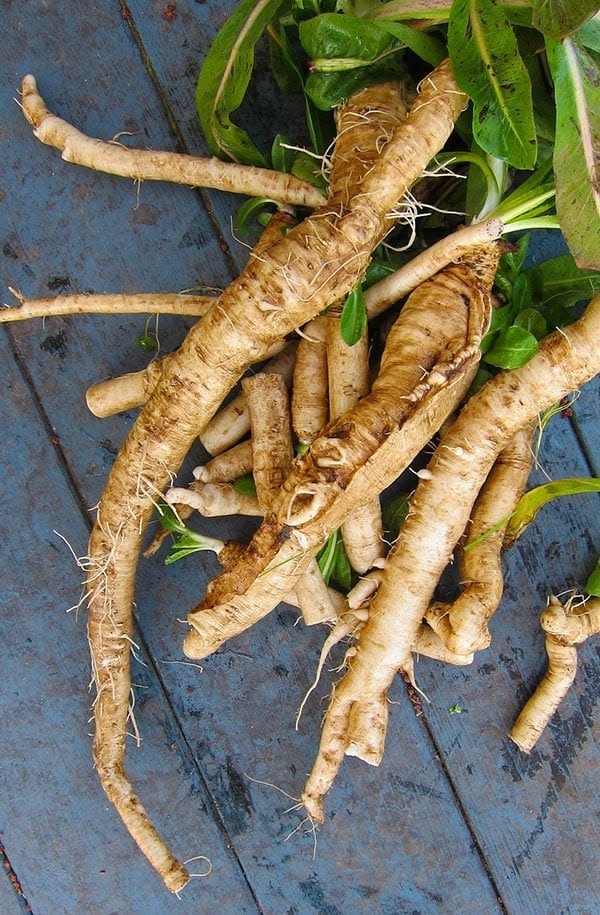
These expressions also show why radice di cicoria can lead to a much broader conversation than one ingredient name suggests. The root may be discussed in the context of roasting and beverage preparation, while other searches focus on cultivated leaves or plant material. Clear grouping prevents readers from mixing unrelated uses.
A Simple Check Before Preparing Any Packaged Form
Read the exact product name, ingredient list, preparation directions, serving guidance, and warnings supplied on the package. Check whether the format is soluble, ground, roasted, blended, or intended for a particular appliance. If dietary or medical concerns influence the choice, consult an appropriate professional rather than relying on a search term.
This approach also answers the question of whether la cicoria fa bene al fegato responsibly. The phrase identifies an area of interest, but it does not contain enough information to determine an individual outcome. Accurate communication respects that boundary while still helping readers understand the culinary vocabulary surrounding their query.
Regional and Cultivated Terms in the Chicory Conversation
Several supporting expressions point toward regional or cultivated identities. Cicoria di Galatina, cicoria Galatina, and cicorie di Galatina may appear similar, but singular, plural, and connective wording can affect how a phrase functions. A reader should preserve the original wording when checking a label, menu, product description, or source.
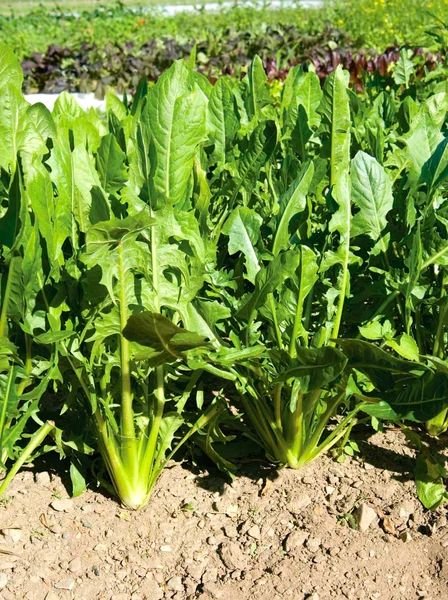
Another term, cicoria catalogna da taglio, points to a cut-leaf category. That emphasis differs from a root-centered query. The distinction matters because preparation expectations for leaves, roots, roasted materials, and soluble products are not automatically the same.
The paired searches for ‘cicoria’ and ‘radicchio’ further illustrate how food vocabulary can overlap. Word order may reflect what the writer emphasizes, but the phrase alone does not prove that two named forms are identical. Product descriptions and menu details should be read as written.
For diners, precise language offers a practical advantage. It helps them ask a restaurant a clear question instead of assuming that every chicory term refers to the same dish. For a restaurant, that clarity supports accurate communication and reduces the risk of promising an ingredient or preparation that has not been confirmed.
How Cicoria Radice Fits Within This Vocabulary
Cicoria radice works best as the root-focused anchor within the broader terminology. Around it sit words for plants, seedlings, seeds, flowers, leaf forms, cultivated names, roasting, solubility, and moka preparation. Organizing the terms this way gives the reader a usable mental framework.
The framework does not turn vocabulary into a menu claim. Nothing in the supplied business information states that Pizzeria Ristorante Marcantonio serves a chicory dish, beverage, or specific regional variety. Current offerings should always be checked through the restaurant’s official online ordering experience rather than inferred from an educational article.
This same standard applies to la cicoria fa bene al fegato. Repeating a popular question does not make it a verified promise. A responsible restaurant-focused article can acknowledge health-minded interest while staying within the confirmed subject of food and directing personal medical decisions to qualified care.
The Health Question Deserves Careful Language
Food content often crosses paths with wellness language. When that happens, a clear line separates general discussion from individual guidance. A food may have a culinary identity, a traditional association, or a place in a varied eating pattern, but those factors do not guarantee a specific medical outcome.
Readers typing la cicoria fa bene al fegato may have very different reasons. One person may be curious about everyday ingredients. Another may have a diagnosed condition, take medication, follow a restricted diet, or prepare for a medical procedure. The same short query cannot safely answer every situation.
For that reason, this article neither confirms nor denies a personal benefit. It explains that the phrase is a health-oriented query and that medical conclusions require suitable evidence plus individual context. That is why la cicoria fa bene al fegato requires careful interpretation. A doctor or a qualified dietitian can consider factors that a restaurant article cannot assess.
Questions That Belong With a Qualified Professional
Professional advice becomes particularly important when someone has symptoms, a diagnosed liver condition, allergies, intolerances, medication concerns, pregnancy-related dietary needs, or a prescribed eating plan. It also matters when a person considers concentrated, packaged, or repeated consumption for a hoped-for health effect.
When discussing la cicoria fa bene al fegato, readers should also separate an ingredient from an entire meal. Portions, preparation, accompanying foods, personal requirements, and frequency all contribute to dietary context. No single keyword captures those details.
This careful position keeps the article useful without overstating what is known. It also supports honest promotion. Pizzeria Ristorante Marcantonio can be presented through its confirmed identity and ordering process, while medical advice falls outside the article’s scope.
From Search Interest to a Better Dining Decision
A useful dining decision starts with current information. The official website is the proper place to review the online ordering experience associated with Pizzeria Ristorante Marcantonio. Because menus and availability can change, readers should rely on what the business currently displays rather than assuming a keyword-led article confirms a specific offering.
If a diner has an ingredient question, direct and precise wording helps. Rather than asking only about “chicory,” the diner can specify whether the interest concerns a root, a leaf, a roasted product, a soluble product, or a particular named form. If the question involves health or dietary restrictions, the diner should state the practical requirement clearly and seek professional guidance where appropriate.
The distinction matters for cicoria radice because the surrounding vocabulary spans several forms. A question about a roasted beverage cannot automatically be answered with information about a leaf dish. A question about planting material is further removed from restaurant preparation.
A Seven-Point Clarity Checklist
- Identify whether the source discusses a root, leaf, seed, flower, seedling, packaged product, or prepared food.
- Note exact processing words such as roasted, soluble, ground, or moka-oriented.
- Preserve regional and cultivated names instead of replacing them with a broader label.
- Check the official ordering source for current restaurant information.
- Avoid assuming that article keywords represent confirmed menu items.
- Treat la cicoria fa bene al fegato as a question requiring careful health context, not as an automatic promise.
- Use qualified medical guidance for personal conditions, restrictions, medication issues, or therapeutic goals.
This checklist turns a scattered group of terms into a disciplined reading method. It keeps culinary curiosity active while reducing confusion between plant vocabulary, beverage vocabulary, restaurant information, and personal health decisions.
Why Accuracy Strengthens Restaurant Content
Restaurant promotion works best when it respects the difference between confirmed facts and attractive assumptions. The confirmed facts here are straightforward: Pizzeria Ristorante Marcantonio is a restaurant that provides food service, maintains the stated website, and is located at Borgo Pio 146, 00193 Roma RM, Italy.
Those details allow a direct invitation without inventing a signature recipe, chef story, sourcing practice, dietary certification, menu item, or service condition. Honest boundaries make the call to action more credible because readers know where to check the current choices for themselves.
This is especially important when a topic includes radice di cicoria and health-oriented language. Readers should never mistake keyword placement for a menu guarantee or a medical endorsement. Clear content can create interest, explain terminology, and direct the next action without crossing either boundary.
What Readers Can Reliably Take Away
First, chicory-related searches cover multiple forms and contexts. Second, root, leaf, plant, flower, seed, roasted, soluble, and moka terms should not be merged carelessly. Third, regional wording deserves precise reading. Fourth, the official website should guide current ordering decisions.
Fifth, la cicoria fa bene al fegato is best treated as a health question rather than a guaranteed result. Its presence in an article does not establish diagnosis, prevention, treatment, or suitability. Personal circumstances require personal professional advice.
Finally, Pizzeria Ristorante Marcantonio remains the sole business promoted here. Readers can use the vocabulary guide to approach food information more carefully, then move to the official ordering channel when ready to consider the restaurant’s currently presented options. In that context, la cicoria fa bene al fegato remains a question, not a promise.
Ordering With Clear Expectations
Online ordering should begin with the live information shown on the restaurant’s website. Review the current selections, descriptions, ordering details, and any instructions presented there. If an important ingredient or dietary issue is not clear, seek confirmation before completing the order.
Do not infer that cicoria radice, caffè cicoria solubile, or any other supporting phrase in this guide names a currently available item. The article explains a topic; the restaurant’s current ordering interface communicates what can be ordered.
Likewise, do not use la cicoria fa bene al fegato as the sole basis for a health-related choice. A precise dietary decision may require medical history, ingredient details, preparation information, portion context, and professional judgment that this article cannot provide.
Pizzeria Ristorante Marcantonio offers the requested next step through its website: Order Online. That action lets readers move from general culinary interest to the restaurant’s current presentation without relying on assumptions.
Frequently Asked Questions
1. What does cicoria radice mean in this guide?
It describes chicory through its root-focused identity, helping readers separate root preparations from leafy terms used in broader culinary conversations.
2. Does Pizzeria Ristorante Marcantonio definitely serve a chicory dish?
No. The supplied business information confirms food service, but it does not list specific dishes, ingredients, availability, or menu details.
3. Is “la cicoria fa bene al fegato” medical advice?
It is commonly searched as a direct health question, yet individual medical guidance should always come from a qualified professional.
4. What do cicoria tostata and soluble chicory expressions indicate?
These expressions indicate roasted or soluble chicory formats associated with beverage preparation, while each product still requires label-specific brewing directions.
5. Can every chicory product be prepared in a moka?
The phrase links chicory to moka-style preparation, but suitability depends entirely on the specific product, grind, packaging, and the manufacturer’s instructions.
6. Are cicoria Galatina and cicorie di Galatina identical terms?
They are search expressions that may describe varieties, naming conventions, or culinary categories, so context matters before treating them identically.
7. What do piantine cicoria and wild chicory seed terms describe?
Those terms refer to planting material and young plants, which differ clearly from roasted, soluble, prepared, or restaurant-ready forms of chicory.
8. Why are fiori cicoria selvatica relevant to the topic?
They point toward wild chicory’s floral aspect, adding botanical context without proving anything about a restaurant dish or ingredient availability.
9. How should I check current choices from Pizzeria Ristorante Marcantonio?
Use the website for the online ordering experience, because this article does not invent menu items, prices, timing, or availability.
10. Where is Pizzeria Ristorante Marcantonio located?
The restaurant is located at Borgo Pio, 146, 00193 Roma RM, Italy, providing a precise reference for your planned visit.
Cicoria Radice: Clarity Before the Next Order
Cicoria radice opens a wide culinary conversation. The connected terms cover plant parts, young plants, wild seeds, flowers, cultivated names, leaf categories, roasted formats, soluble preparations, and moka-related products. Each expression contributes useful context, but none should be treated as proof of a current restaurant item.
The health query la cicoria fa bene al fegato also needs responsible interpretation. It signals interest, not a guaranteed result. Anyone making a decision related to symptoms, a medical condition, medication, restrictions, or therapeutic goals should consult a qualified professional who can consider individual circumstances.
For a current restaurant decision, use the official source. Visit Pizzeria Ristorante Marcantonio, review the live ordering information, and Order Online from Pizzeria Ristorante Marcantonio. Make your next food choice through the restaurant’s current presentation, with the clarity this cicoria radice guide provides.
Choose Pizzeria Ristorante Marcantonio for your next order and use the official website today. The restaurant is located at Borgo Pio, 146, 00193 Roma RM, Italy.